My Research
I am a structural geologist whose research explores how the mechanics of mountain building, upper-crustal deformation, and fracture development shape the Earth's surface and subsurface. My work integrates structural geology, tectonics, hydrogeology, and geospatial technologies to understand how geologic structures influence groundwater, water security, and community resilience.
Why Mountains?
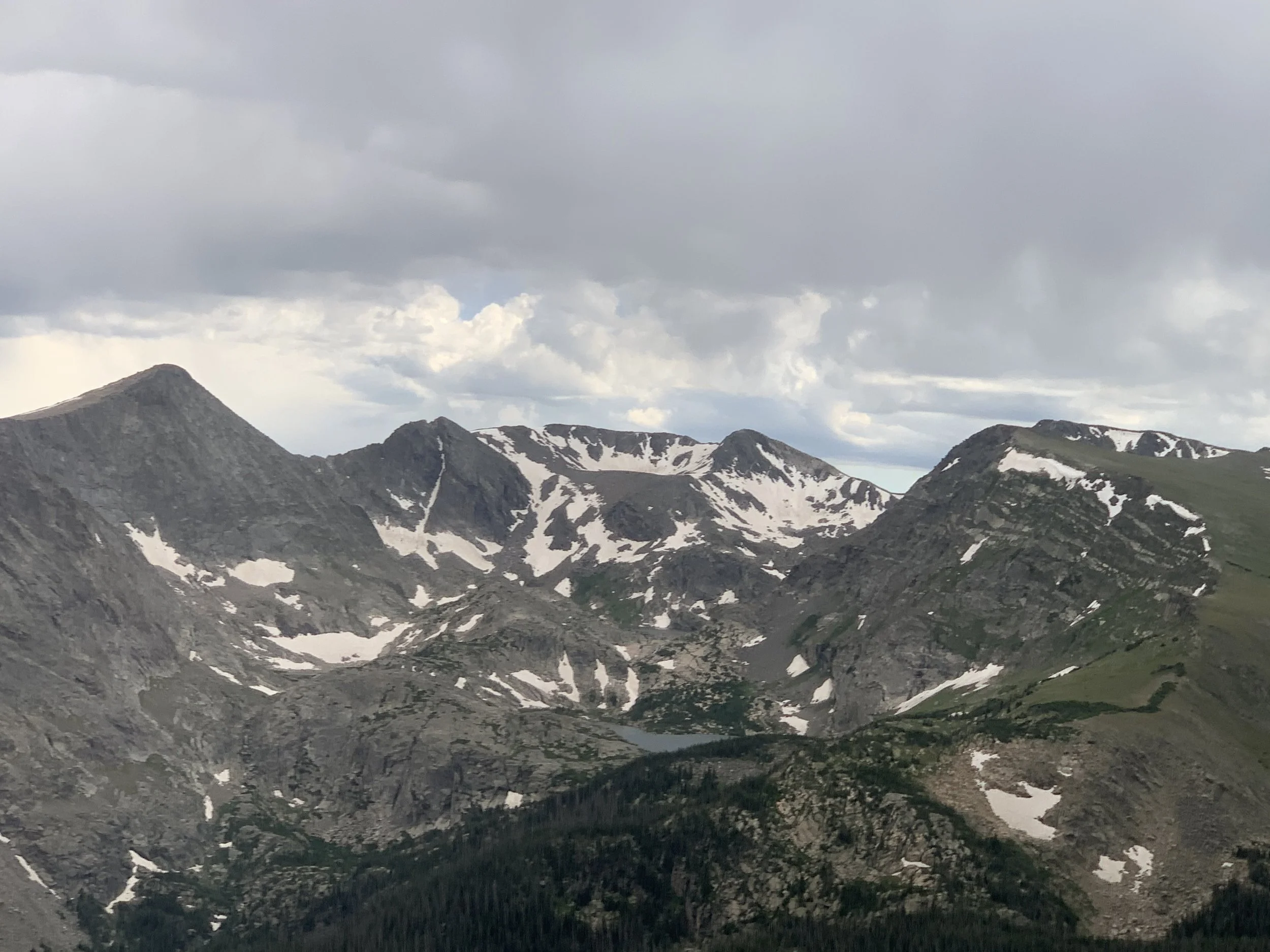
Mountains have fascinated me for as long as I can remember – not only because of the remarkable geologic processes that create them, but also because they serve as geographic boundaries that shape cultures, histories, ecosystems, and the distribution of natural resources. Although they are often rich in water, minerals, biodiversity, and other natural resources, many mountain communities remain among the most underserved and environmentally vulnerable in the world. Understanding these interconnected Earth and human systems continues to inspire my research.
Why Pakistan?
Although I was born and raised in the United States, my family's roots are in Pakistan. For many years, I dreamed of conducting research there – not only because Pakistan contains one of the world's most geologically dynamic mountain regions, but also because it offered an opportunity to reconnect with my heritage and contribute to communities that have long inspired me. That dream became a reality through collaborative research on fractured-rock aquifers, groundwater systems, and sustainable water management.
While much of my current research is grounded in Pakistan, the questions I study extend far beyond a single country. The same tectonic processes that build mountains also influence how freshwater is stored and moves through fractured rock, making these questions relevant to mountain regions around the world.
Home
I also call Lancaster, Pennsylvania home, where I live with my husband and our two daughters. Lancaster's strong tradition of community engagement has shaped my approach to science, reinforcing my belief that the most meaningful research is built through collaboration. I view research as a reciprocal process in which scientists and communities learn from one another, combining scientific inquiry with local knowledge to better understand environmental challenges and develop practical, sustainable solutions.
Whether working in the Himalaya, the Rocky Mountains, or local communities, I believe the most meaningful science connects fundamental Earth processes with the people who depend on Earth's resources every day.